Featured
Table of Contents
- – Understanding the Consuming Disorder-OCD Conne...
- – Eating Disorders in Athletes and Dancers: A Di...
- – OCD Treatment: Beyond Contamination Anxieties
- – EMDR Intensives for Trauma-Based Consuming Dis...
- – Alexa Shank
- – Stress And Anxiety Treatment as Foundation for...
- – Finding Specialized Therapy for Lasting Recupe...
The junction of eating conditions and obsessive-compulsive problem stands for among the most challenging presentations in mental health therapy. These conditions often share underlying patterns of rigid reasoning, anxiety-driven actions, and attempts to regulate uncertainty via ritualistic activities. For professional athletes, dancers, and people with nit-picker propensities, these disorders can end up being specifically set, woven into identity and performance in manner ins which make recognition and treatment a lot more intricate.
Understanding the Consuming Disorder-OCD Connection
Consuming problems and OCD share significant neurobiological and emotional overlap. Both problems entail intrusive thoughts, uncontrollable habits, and increased stress and anxiety when rituals are interrupted. Research suggests that approximately 40% of individuals with consuming disorders also satisfy requirements for OCD, suggesting these problems might represent various expressions of similar underlying vulnerabilities.
The relationship between these disorders typically manifests as a vicious cycle. Compulsive thoughts about food, body form, or weight drive uncontrollable eating behaviors, workout routines, or limiting patterns. These behaviors temporarily minimize anxiety, reinforcing the cycle and making it gradually harder to damage. Gradually, what started as attempts to take care of stress and anxiety or attain details objectives advances into a stiff system that controls everyday life.
Eating condition therapy that attends to these obsessive-compulsive attributes requires specialized understanding. Common strategies to disordered eating may miss out on the anxiety-driven systems preserving behaviors, while typical OCD treatment might ignore the body picture and identification elements main to consuming conditions. Integrated therapy comes close to identify this complexity and address both the obsessive-compulsive patterns and the particular features of disordered eating.
Professionals specializing in this crossway, such as those at Live Mindfully Psychotherapy, recognize that effective treatment must address several layers at the same time. This includes dealing with the cognitive rigidness feature of both problems, the underlying anxiousness driving behaviors, and the identity components that make change really feel threatening.
Eating Disorders in Athletes and Dancers: A Distinct Difficulty
Athletes and professional dancers encounter particular susceptability to eating disorders, with occurrence prices significantly greater than in the general populace. The focus on body structure, weight demands, and visual ideals in these fields produces an atmosphere where disordered consuming can develop under the semblance of devotion or expertise. What starts as "" tidy eating"" or "" optimum fueling"" can slowly advance into limiting consuming disorders that endanger both health and wellness and efficiency.
The sports and dance communities usually stabilize habits that would certainly be identified as disordered in other contexts. Prolonged training sessions, inflexible dish timing, compulsive body checking, and workout compulsion might be checked out as signs of commitment as opposed to advising indicators. This normalization makes it harder for professional athletes and professional dancers to identify when their connection with food and exercise has actually crossed into pathological region.
Perfectionism, very valued in athletic and imaginative pursuits, works as both a risk variable and keeping system for eating problems. The exact same qualities that drive excellence-- technique, interest to detail, high standards-- can sustain obsessive patterns around food and body. Athletes and dancers typically are afraid that resolving their eating problem will certainly compromise their efficiency, not identifying that the problem itself is limiting their capacity via physiological depletion and emotional obsession.
Specialized eating condition treatment for professional athletes and professional dancers need to navigate these one-of-a-kind characteristics. Treatment strategies that honor the person's commitment to their sporting activity or art while dealing with the unsafe patterns show most effective. Therapists collaborating with these populations recognize sport-specific pressures and can aid customers develop much healthier partnerships with food and body without requiring them to abandon their sports or imaginative searches.
OCD Treatment: Beyond Contamination Anxieties
While numerous associate OCD with contamination fears and hand cleaning, the condition manifests in diverse methods. Invasive thoughts regarding harm, sexual content, spiritual problems, or proportion can be just as stressful. For individuals with consuming disorders, OCD commonly involves obsessions about food, contamination concerns regarding consuming, or compulsions around exercise and body checking.
Effective OCD treatment usually involves exposure and action avoidance (ERP), a therapy approach that helps individuals face feared situations while withstanding compulsive responses. For eating disorder presentations with OCD attributes, this might consist of exposures to been afraid foods, reducing body checking behaviors, or tolerating unpredictability around consuming decisions. The process is gradual and customized, valuing everyone's readiness while testing avoidance patterns that preserve anxiety.
[:specialty]Cognitive-behavioral therapy for OCD assists people identify the idea patterns that fuel obsessions. Finding out to identify obsessive thoughts without engaging with them with routines verifies central to recuperation. This metacognitive recognition-- the capacity to observe thoughts without automatically believing or acting upon them-- stands for a critical ability that profits both OCD and eating problem recovery.
Lots of people with OCD and consuming disorders also struggle with perfectionism, seeing anything much less than total control as failing. This all-or-nothing reasoning encompasses treatment itself, with individuals occasionally thinking they must be "" perfect"" at recovery. Treatment must attend to these perfectionistic requirements, helping customers create self-compassion and tolerance for the unpleasant, nonlinear nature of recovery.
EMDR Intensives for Trauma-Based Consuming Disorders
Significantly, medical professionals acknowledge that lots of eating disorders have roots in distressing experiences. Whether developmental injury, particular terrible events, or the accumulation of adverse experiences, unsolved trauma often underlies the need for control that eating problems provide. EMDR intensives provide a focused approach to processing these traumatic foundations, addressing the deeper motorists of disordered consuming.

EMDR intensives compress therapy into extended sessions over days instead than weeks, enabling more comprehensive handling. For eating condition therapy, this extensive layout can accelerate development by addressing multiple stressful memories or experiences in a concentrated timeframe. The technique confirms especially important for people that have finished standard eating disorder treatment yet proceed having problem with underlying stress and anxiety or trauma-related triggers.
Alexa Shank
Kelsey is a highly knowledgeable and well regarded therapist in the field of eating disorders. She is compassionate and dedicated to her work with her clients. I have known Kelsey for several years and she always displays great communication in her ability to coordinate care with myself and other providers in the community.
The connection between trauma and eating problems manifests in various methods. For some, disordered consuming represents an attempt to redeem control after experiences of powerlessness. For others, body dissatisfaction links to messages obtained throughout developmental years or specific terrible experiences. EMDR assists recycle these memories and connected ideas, minimizing their emotional cost and permitting for more flexible self-perception.
Incorporating EMDR intensives with continuous eating disorder therapy and dietary support creates a detailed therapy method. While EMDR addresses underlying injury, simultaneous support assists people develop new coping devices and preserve recovery-oriented behaviors. This integrated technique identifies that eating problems offer functions in individuals's lives, and long lasting modification requires both processing what drove the disorder and building different methods of taking care of distress.
Stress And Anxiety Treatment as Foundation for Recovery
Anxiousness underlies both eating problems and OCD, making stress and anxiety administration abilities necessary for healing. Discovering to tolerate unpredictability, take care of physical stress and anxiety experiences, and reply to difficult emotions without turning to condition habits stands for core work in treatment. Anxiety therapy gives these foundational skills while assisting individuals comprehend their special stress and anxiety patterns.
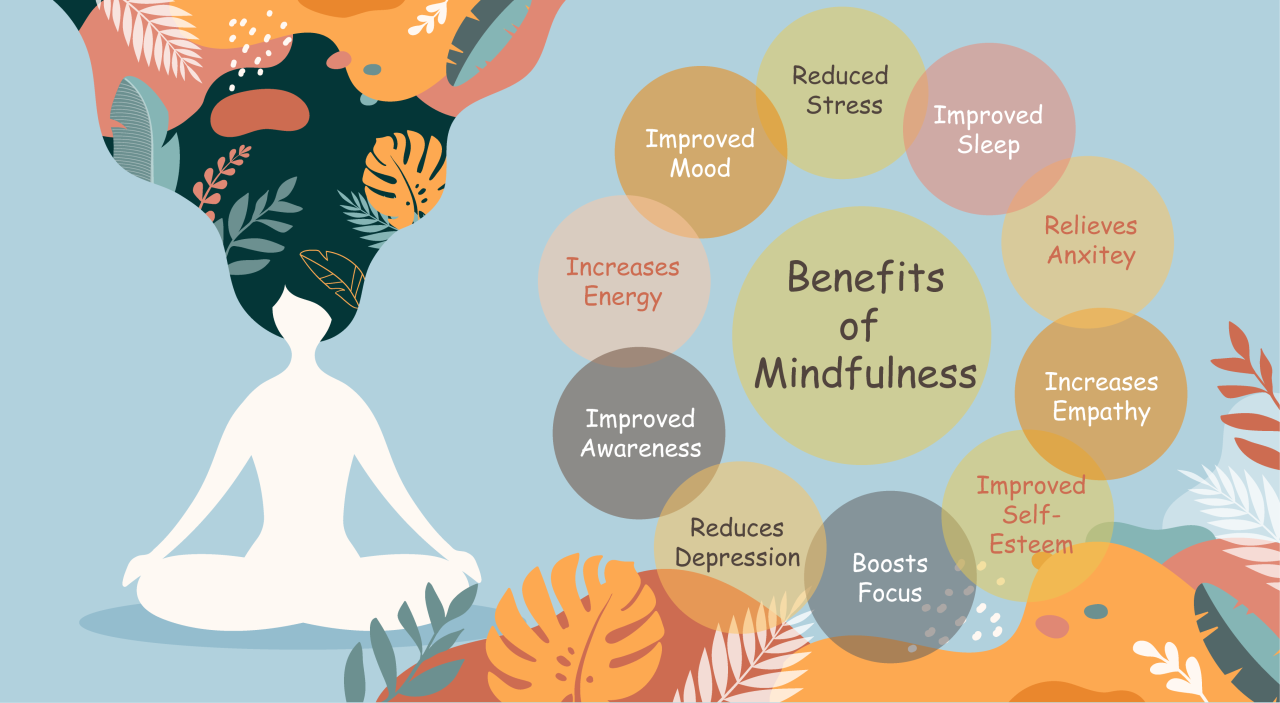
Mindfulness-based strategies verify especially beneficial for consuming problem and OCD therapy. These techniques help people observe ideas and sensations without quickly responding, creating space between triggers and responses. For someone with an eating disorder, mindfulness might involve discovering anxiousness around food choices without instantly limiting. For OCD presentations, it could suggest observing intrusive ideas without engaging in uncontrollable responses.
Somatic strategies to anxiousness treatment address the body-based components frequently forgot in cognitive treatments. Many people with consuming conditions and OCD experience heightened interoceptive recognition-- sensitivity to internal bodily sensations-- which can drive anxiety and uncontrollable behaviors. Finding out to control the nervous system through breath job, dynamic relaxation, or other somatic methods offers concrete devices for managing stress and anxiety in real-time.
Finding Specialized Therapy for Lasting Recuperation
Healing from consuming conditions and OCD needs specific treatment that deals with the one-of-a-kind functions of these conditions. Common techniques may provide temporary alleviation but typically miss out on the maintaining systems that drive relapse. Therapists with certain training in consuming problems, OCD, and trauma recognize these nuances and can provide targeted treatments that attend to source as opposed to simply symptoms.
When seeking therapy, consider specialists who incorporate multiple evidence-based approaches instead of relying upon a single technique. Eating problems and OCD seldom reply to one-size-fits-all treatment, and versatility in method permits specialists to adapt treatments to private demands. Additionally, cooperation with other service providers-- such as dietitians, physicians, and psychiatrists-- typically proves important for extensive care addressing all elements of healing.
EMDR TherapyFor athletes, dancers, and nit-pickers dealing with eating problems or OCD, discovering a therapist that understands these certain contexts makes substantial distinction. Treatment that honors your values and objectives while resolving dangerous patterns creates the structure for lasting recovery that enhances instead of restrictions your life and searches.

Table of Contents
- – Understanding the Consuming Disorder-OCD Conne...
- – Eating Disorders in Athletes and Dancers: A Di...
- – OCD Treatment: Beyond Contamination Anxieties
- – EMDR Intensives for Trauma-Based Consuming Dis...
- – Alexa Shank
- – Stress And Anxiety Treatment as Foundation for...
- – Finding Specialized Therapy for Lasting Recupe...
Latest Posts
CPT Elements in Intensives
Navigating Cultural Misunderstandings within Mental Health Care
Multilingual Psychotherapy: Damaging Down Language Obstacles in Mental Healthcare
More
Latest Posts
CPT Elements in Intensives
Navigating Cultural Misunderstandings within Mental Health Care
Multilingual Psychotherapy: Damaging Down Language Obstacles in Mental Healthcare